Allergy Control Is a Management Job, Not a Cure

Tips on how to manage allergies long term.

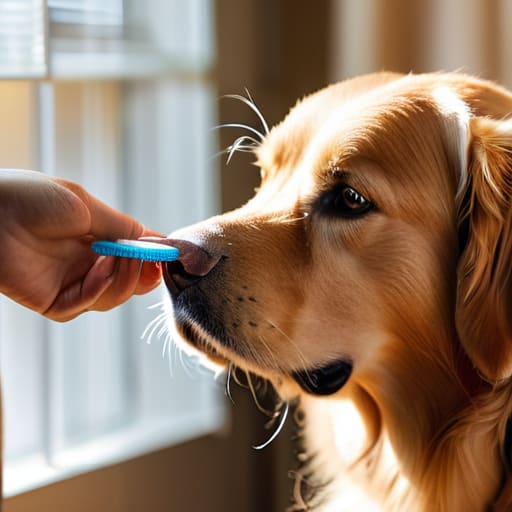
I’ve spent three decades watching people pour hundreds of dollars into “miracle” grain-free treats and boutique insect-protein diets, hoping they’ve finally found the secret to how to manage allergies long term. It’s heartbreaking, really. I’ve stood in exam rooms with owners who are exhausted, broke, and watching their best friend literally rub their face raw against the carpet, all because they were following a trendy forum post instead of a clinical plan. Most of those expensive specialty foods are just marketing wrapped in a pretty bag; they don’t address the actual immune response, and they certainly won’t stop a secondary skin infection once it’s taken hold.

I’m not here to sell you a subscription to a luxury kibble brand or promise you a “natural” cure that doesn’t exist. What I am going to give you is the unvarnished truth about what actually works, from immunotherapy to the medications that might actually save your skin—and your wallet. I’ll tell you when a management plan is worth the investment and when you’re just chasing ghosts. We’re going to talk about real protocols, realistic costs, and how to manage allergies long term without losing your mind or your savings.

Table of Contents

Effective Allergy Prevention Strategies That Actually Work

Effective Allergy Prevention Strategies That Actually Work

First, let’s talk about environmental trigger control, because you can’t medicate your way out of a house that’s essentially a pollen trap. If you’re managing seasonal allergy symptoms, you have to stop treating your home like a sanctuary and start treating it like a clean room. I’ve seen owners spend hundreds on prescription diets only to realize their dog is sleeping on a rug that’s been holding onto dust mites and ragweed for three years. Wipe those paws after every walk, use a HEPA filter if you can swing the electricity bill, and for heaven’s sake, stop letting them roll in the yard right before they come inside.

When it comes to actual allergy prevention strategies, don’t expect a miracle from a single pill. Real long-term allergy relief options usually involve a combination of things: a strict diet, maybe some Apoquel or Cytopoint if the vet agrees, and a massive reduction in what they’re actually touching. I’ve fostered enough itchy, red-skinned seniors to know that consistency is more important than intensity. You don’t need the most expensive stuff on day one, but you do need a plan that you can actually stick to when the itching gets bad.

Environmental Trigger Control What You Cant Afford to Ignore

Environmental Trigger Control What You Cant Afford to Ignore

Look, you can buy the most expensive prescription diet in the world, but if your dog is sleeping on a rug that’s basically a sponge for dust mites and pollen, you’re just spinning your wheels. Environmental trigger control isn’t about being a neat freak; it’s about reducing the constant inflammatory load on their system. I’ve seen countless cases where owners spend hundreds on medicated shampoos while ignoring the fact that their pet spends all day face-deep in old, carpeted debris. If you want real results, start with the basics: ditch the heavy drapes, use a HEPA air purifier in the room where they sleep most, and for heaven’s sake, wash their bedding in hot water at least once a week.

It’s also about knowing when to pull them inside. Managing seasonal allergy symptoms becomes a losing battle if you’re letting them roam the yard during peak pollen counts. If you see them sneezing or rubbing their face after a walk, that’s your cue. You can try some basic allergy avoidance techniques, like wiping their paws and belly with a damp cloth every time they come in from outside, but don’t expect a miracle if the house itself is a trigger zone. It’s tedious work, but it’s a hell of a lot cheaper than the monthly bill for steroid shots.

Five Real-World Tactics for Keeping the Itch Under Control

  • Stop the “trial and error” cycle with food. If you’re switching to a hydrolyzed protein diet, understand that it’s not a magic fix—it’s a tool. It can cost you $60 to $80 a bag, and you have to be disciplined. If you’re sneaking pieces of deli ham or table scraps in there, you’re essentially resetting the clock on the inflammation every single day. It won’t work if you’re cheating.
  • Get a handle on the medication math. Whether it’s Apoquel or a monthly steroid, don’t just give it when they look itchy. Long-term management means staying ahead of the histamine storm. If you wait until they are raw and bleeding to start the meds, you’re going to be paying for much more expensive topical antibiotics and much more expensive vet visits to treat the secondary skin infections you could have prevented.
  • Watch the ears like a hawk. In my experience, the skin might look okay, but the ears tell the real story. If you notice a “yeasty” smell—that sweet, funky scent—or if they start shaking their heads, the allergy is winning. Ear infections are the most common way a “manageable” allergy turns into a painful, expensive chronic problem.
  • Don’t ignore the “hot spots.” If you see a patch of hair loss or a red, angry-looking area that feels warm to the touch, that’s not just a seasonal itch. That’s an acute flare-up. You can try a soothing oatmeal rinse at home, but if that spot is expanding by the hour, you need to call the clinic. A localized infection is much cheaper to treat than a systemic one.
  • Invest in a good supplement, but don’t expect miracles. Omega-3 fatty acids (fish oil) are great for building up that skin barrier over time, but they take weeks, sometimes months, to show real results in the coat and skin. Don’t buy the cheap stuff from a grocery store; look for high-quality EPA and DHA levels. It’s a slow burn, not a quick fix.

The Bottom Line: When to Push Through and When to Pivot

Don’t mistake “managing” for “ignoring”—if you see skin thickening (we call it lichenification) or if your dog starts licking their paws until they’re raw and bleeding, you aren’t managing an allergy, you’re letting a chronic infection take root.

Budget for the long haul, not just the quick fix; a $50 bottle of over-the-counter antihistamines is a band-aid that won’t stop the inflammation, whereas a prescription diet or Apoquel might cost more upfront but will save you hundreds in secondary ear infection treatments later.

Watch the eyes and the breathing—if the “allergy” starts looking like swelling around the muzzle or a change in respiratory rate, stop playing detective with the vacuum cleaner and get to the clinic, because that’s not an itch, that’s an emergency.

The Long Game of Itch Management

Managing allergies isn’t about finding one magic pill that makes the scratching stop overnight; it’s about the tedious, daily work of reducing the load on their system before they hit a breaking point. You can buy the most expensive prescription diet in the world, but if you’re still letting them roll in the same pollen-soaked grass every afternoon, you’re just throwing money into a hole.

Marlene Ostrowski

The Long Game

Managing pet allergies is The Long Game.

Managing allergies isn’t about finding one magic pill that fixes everything overnight; it’s about the tedious, daily grind of consistency. You’ve got to keep up with the environmental controls, stay on top of those flea preventatives, and actually follow the dietary protocols your vet laid out—not just when the itching looks bad, but when things seem fine, too. I’ve seen too many owners wait until a dog’s skin is raw and weeping before they decide to get serious about a management plan. Remember, the goal isn’t just to stop the scratching today; it’s to prevent the secondary skin infections that turn a simple itch into a three-hundred-dollar antibiotic course and a very stressed-out pet.

I know it feels like an uphill battle sometimes, especially when you’re staring at a pile of laundry or a pharmacy bill that doesn’t seem to be shrinking. But look at your pet when they finally settle down, skin clear and eyes bright, and realize that all those small, annoying adjustments were worth it. You are their advocate, their detective, and their primary line of defense. It isn’t always easy, and it certainly isn’t always cheap, but giving them a life without constant discomfort is the best way to say thanks for the companionship. Just keep watching them, trust your gut, and don’t be afraid to ask the hard questions when something doesn’t feel right.

Frequently Asked Questions

If I switch my dog to a prescription hypoallergenic diet, how long should I actually wait before deciding it isn't working?

Listen, I know you want to see results by Tuesday, but biology doesn’t work on your schedule. You need to give a hydrolyzed diet at least eight to twelve weeks. If you’re switching mid-flare, you might see a slight improvement in a few days, but true skin and gut healing takes time. If you’re still seeing red, angry skin or constant licking after two months, the diet isn’t the culprit—or it’s the wrong one.

My cat is scratching her ears constantly but doesn't have any visible redness; is that still an allergy or should I be looking for ear mites?

If you don’t see redness, you’re likely looking at an allergy or a yeast infection rather than mites, which usually leave a dark, coffee-ground looking debris in the canal. But don’t play detective. If she’s scratching hard enough to cause a hematoma—where the ear flap fills with blood—you’re looking at a $600 surgery. Call your vet for an otoscopic exam. It’ll cost you a co-pay and a quick swab, but it beats a surgical bill.

I can't afford the monthly specialty allergy shots or expensive biologics every single month—what are my realistic options for keeping the inflammation down?

Look, I get it. Those biologics can cost more than my mortgage. If the high-end stuff is off the table, we look at the basics. Start with a high-quality, hydrolyzed protein diet—it’s not a magic wand, but it’s cheaper than a monthly injection. You can also talk to your vet about a steroid taper or Apoquel; they aren’t perfect, but they keep the skin from cracking. Just don’t ignore the redness; once they’re secondary-infected, the vet bill triples.

Weekly Home Checks That Catch Problems Early

How to weigh and monitor a pet at home.

I spent nearly three decades in a small practice watching owners walk in with a “gut feeling” that their dog looked a little thin, only to realize the animal had actually lost two kilograms in the last month. People think they can just eyeball a pet’s condition, but your eyes lie to you—especially when you’re looking at a face you love every single day. Learning how to weigh and monitor a pet at home isn’t about being obsessive or buying some overpriced, high-tech smart scale that connects to your phone; it’s about having hard data so you aren’t guessing when things go wrong.

I’m not here to give you a lecture or sell you a subscription service. I’m going to tell you exactly what equipment you actually need, how to get a stubborn cat onto a scale without a trip to the ER, and—most importantly—which specific number drops should make you stop scrolling and start driving to the vet. I’ll give you the clinical reality of what weight loss actually means for different breeds and ages, because by the time a pet looks “skinny” to the naked eye, they’ve usually been sick for a long time.

Table of Contents

Choosing a Pet Scale for Small Animals Without Wasting Money

Choosing a Pet Scale for Small Animals Without Wasting Money

Look, you don’t need a high-tech, medical-grade digital scale sitting in your pantry, but you also shouldn’t be trying to guess a cat’s weight by picking them up and feeling their ribs. If you’re dealing with a small breed or a senior cat, a standard human scale is useless; they’ll barely register at 5 or 6 pounds, and the margin of error is too wide to be helpful. I always tell people to invest in a dedicated pet scale for small animals—the kind that looks like a heavy-duty kitchen scale or a slim digital pad. They usually run between $25 and $40. It’s a small price to pay for accuracy when you’re tracking pet weight trends over a long period.

Don’t get sucked into buying the fancy, expensive versions with Bluetooth syncing and smartphone apps. Most of those are just marketing fluff. You need something sturdy, easy to wipe down, and capable of reading in increments of 0.1 or 0.2 pounds. If you’re on a tight budget, a reliable digital kitchen scale can work for kittens or tiny Chihuahuas, but for anything over ten pounds, you’ll want something with a larger platform. The goal isn’t to have a gadget; it’s to have a number you can actually trust when your vet asks how the new medication is working.

Tracking Pet Weight Trends Before the Change Becomes a Crisis

If you’re just weighing them once every six months during their annual checkup, you’re missing the point. By the time your vet says, “Oh, Mittens looks a little thin,” she might have already lost ten percent of her body mass. You need to be tracking pet weight trends on a spreadsheet or even just a dedicated notebook. I’ve seen too many owners come in panicked because their dog “suddenly” lost five pounds, only to realize the dog has been wasting away for three months. A single number tells you what they weigh today; a trend tells you if they are actually sick.

Don’t just look at the number on the screen, though. You need to start calculating pet body condition score alongside those numbers. I tell my foster kids to feel the ribs—not just poke them, but actually feel for the contour. If the ribs are suddenly easy to find without a layer of fat, or if you can see the spine clearly, that’s a clinical sign, not just a “dietary change.” If you see a downward slope on your graph combined with a change in appetite, you aren’t waiting for your scheduled appointment; you’re calling the clinic that morning.

Five Rules for Weighing Without the Drama

  • Pick a consistent time and stop checking the “vibes.” If you weigh your cat while she’s mid-zoomies or right after she’s finished a bowl of wet food, you’re getting garbage data. Pick a time—ideally once a week, maybe Sunday mornings—and do it when they are in a neutral state. Consistency is the only way you’ll actually see a trend before it becomes a medical crisis.
  • Do the math in kilograms. I know, I know, we live in a world of pounds, but every drug dose, every anesthesia protocol, and every clinical study I ever read was in kilograms. If your dog drops 1 kg (that’s about 2.2 lbs), that is a massive physiological shift for a small animal. If you’re tracking in pounds, you’re going to miss the subtle downward slide that signals kidney issues or cancer.
  • Use a “control” weight. If you’re using a human scale and putting your cat in a carrier, weigh the empty carrier first. Write that number down. Subtract it from the total. Don’t try to do the mental math while your cat is trying to claw your eyes out; just keep a simple logbook or a spreadsheet where the “Net Weight” is already calculated.
  • Watch the “Body Condition Score,” not just the number. I’ve seen dogs that look lean but are actually wasting away from muscle loss, and I’ve seen overweight dogs that are actually quite healthy. If the scale stays the same but you can suddenly feel their ribs through their skin, the scale is lying to you. You need to feel the spine and the hips once a month to make sure the weight is staying on the right places.
  • Know when a number is an emergency. A slow loss of half a pound over three months is a conversation for your regular vet on Tuesday. A sudden loss of two pounds in a week is a “call the emergency clinic now” situation. If the weight drop is accompanied by lethargy or a change in water consumption, stop reading blogs and start looking for your keys.

The Bottom Line: What You Actually Need to Watch

Stop eyeballing them; a “little thinner” isn’t a metric, so get a digital scale and record the actual number once a week so you have data to show the vet when they ask.

Watch the percentage, not just the pounds—a 5% drop in body weight is a clinical red flag that means you stop Googling and start calling the clinic immediately.

Consistency is your best tool for catching the slow burn of chronic illness, because a steady downward trend is often much harder to treat than a sudden, acute crisis.

Why the Number Matters

“I’ve sat in too many exam rooms watching owners realize their dog has been wasting away for months because they thought he just looked ‘a little thin.’ A pet doesn’t tell you they’re losing muscle mass or that their kidneys are struggling; they just keep wagging their tail and acting fine until they aren’t. You don’t weigh them to satisfy a spreadsheet; you weigh them so you can catch the decline before it becomes a crisis you can’t afford to fix.”

Marlene Ostrowski

The Bottom Line on the Numbers

The Bottom Line on the Numbers.

At the end of the day, this isn’t about being obsessed with a number on a digital readout; it’s about having a baseline. You need a scale that actually works for your pet’s size, a consistent way to record those numbers, and the sense to know when a trend is heading south. If you see a sudden drop—say, more than 5% of their total body mass in a single week—stop looking for answers on a forum and call your vet immediately. Whether it’s a metabolic issue or something more sinister, weight loss is often the first domino to fall before a clinical symptom even shows up.

I know it feels like just another chore on an already overflowing list of pet care, but I promise you, the data you collect today is the most powerful tool you have for tomorrow. When you walk into an exam room and can say, “He was 6.2 kilograms on Tuesday and he’s 5.8 today,” you aren’t just an owner; you are an essential part of the medical team. You are giving your pet a voice when they can’t tell you they feel off. Trust the scale, trust your gut, and remember that being proactive is always cheaper—and much kinder—than being reactive.

Frequently Asked Questions

My cat refuses to stand still on a scale; is there a way to get an accurate weight without a wrestling match?

Look, I’ve spent half my career pinning down cats that didn’t want to be pinned, so I get it. If you’re fighting a wrestling match, you’re going to get scratched and your data will be garbage. Do this instead: weigh yourself on your own scale first. Note the number. Then, pick up the cat, step on the scale, and note that number. Subtract your weight from the total. It’s a bit of math, but it’s better than a trip to the ER for a bite wound.

I noticed a slight drop in weight on the scale, but my dog's appetite seems fine—should I be calling the vet now or waiting to see if it's a fluke?

If it’s a single pound on a sixty-pound dog, it might be a fluke—maybe he just had a big walk or a slightly smaller dinner. But if that weight drop persists for two weigh-ins, you call the vet. A dog with a “fine” appetite who is losing weight is often a classic sign of something metabolic, like hyperthyroidism or diabetes. Don’t let the appetite fool you; the scale is telling the truth.

How much weight loss is actually considered a "red flag" for a senior pet before it becomes an emergency?

Here’s the thing: there is no magic percentage, but there is a rule of thumb. If your senior pet loses 5% of their body weight in a month, or 10% over a few months, you stop scrolling and start calling. For a 10kg cat, that’s just half a kilo. If you’re seeing that kind of drop, it’s not “just old age”—it’s usually something metabolic or oncological. Don’t wait for them to look skeletal to act.

Petting-induced Aggression: Stop Before They Ask You to

How to handle a cat that bites during petting.

I’ve sat in exam rooms for nearly three decades watching owners walk in with bandaged fingers and a look of pure defeat, usually after reading some nonsense online about “reprogramming” their cat’s brain with expensive pheromone sprays or specialized training gadgets. Let me tell you something: most of that stuff is a waste of your money. If you are searching for how to handle a cat that bites during petting, you don’t need a miracle supplement; you need to figure out if your cat is being a jerk or if they are actually hurting. I’ve seen people spend hundreds on “behavioral kits” when the cat actually just had a localized abscess or a flare-up of arthritis that needed a simple dose of Meloxicam, not a lifestyle change.

I am not here to sell you a product or tell you that your cat is “broken.” I am going to give you the straight truth about the difference between overstimulation and medical distress. We are going to look at the physical cues you’re likely missing, the actual costs of diagnostic testing if it turns out to be pain, and when you can settle in for a quiet night versus when you need to grab your keys and head to the ER.

Table of Contents

Reading Feline Body Language Before the Teeth Come Out

Reading Feline Body Language Before the Teeth Come Out

Most people wait until they feel the teeth sink in before they realize something is wrong, but by then, the damage is done. In my thirty years of restraining fractious cats, I learned that the bite is usually the last thing they do, not the first. You have to learn reading feline body language before the claws come out. Watch for the subtle shifts: a sudden stiffening of the spine, ears rotating slightly backward like airplane wings, or that rhythmic, heavy thumping of the tail against the sofa.

When you see a cat tail twitching, it isn’t a sign of contentment; it’s a warning. If you ignore those cat overstimulation signs, you’re essentially poking a coiled spring. I’ve seen owners get frustrated, thinking the cat is being “mean,” when really the cat’s nervous system is just hitting its limit. If the skin on their back starts rippling or they pull their head away slightly, stop petting immediately. Don’t wait for the hiss. If you can catch the escalation early, you won’t end up with a vet bill for a puncture wound and a handful of antibiotics.

Cat Overstimulation Signs You Cant Afford to Ignore

Cat Overstimulation Signs You Cant Afford to Ignore

Most people think a bite is an unprovoked attack, but in my thirty years of clinic work, I’ve rarely seen a cat just “snap” for no reason. Usually, they’ve been screaming at you for five minutes through their body language, and you just weren’t listening. The most common cat overstimulation signs aren’t loud; they are subtle. Watch for the feline sensory sensitivity that manifests as a sudden stiffening of the spine or ears that begin to rotate sideways—what we call “airplane ears.” If you see the tail starting to lash or a heavy, rhythmic thumping against the sofa, the fuse is already lit.

The real danger is when you mistake a twitch for a mood. I’ve seen owners keep petting because the cat is purring, only to end up in the ER with a punctured finger. If you notice cat tail twitching meaning changes from a gentle sway to a violent, whip-like motion, stop what you are doing immediately. Don’t try to “soothe” them or pick them up; just back off and let them reset. If they start hiding or refusing treats afterward, they aren’t being dramatic—they are genuinely overwhelmed.

Five Ways to Stop the Teeth (And When to Stop Trying)

  • Stop while you’re ahead. If you see the tail starting to twitch or the ears rotating sideways, that is your cue to pull your hand back. Most people wait for the bite to happen so they can say, “Oh, they bit me,” but by then, the cat’s nervous system is already redlining. If you stop the petting before the strike, you’re teaching them they don’t need to use violence to get space.
  • Watch for the “silent” bite. Some cats don’t growl; they just suddenly snap. In my experience, if a cat who usually loves chin scratches suddenly lunges at your hand, it isn’t “naughtiness”—it’s likely localized pain. If they react specifically when you touch a certain spot on their lower back or abdomen, don’t try to “desensitize” them. That’s a vet visit, not a training issue.
  • Use the “distraction, not punishment” rule. If you feel the tension rising, don’t yell or push them away—that just confirms to the cat that your hands are unpredictable and scary. Instead, toss a toy or a treat in the opposite direction. It breaks the predatory loop in their brain and gives them a way to discharge that pent-up energy without using your knuckles.
  • Check the math on your petting sessions. We often think we’re being gentle, but we’re overstimulating them. If you’re petting a 5kg cat, you’re likely hitting the same spot for too long. Keep sessions short and focused on “safe” zones like the cheeks or chin. If you move toward the base of the tail or the belly, you’re entering the danger zone for most cats.
  • Know when the cost of waiting is too high. If the biting is accompanied by a sudden change in appetite, hiding, or a refusal to use the litter box, stop looking for behavioral tips on a forum. A cat that bites because they are frustrated is one thing; a cat that bites because they have an underlying metabolic issue or chronic inflammation is another. If the personality shift is sudden, budget for an exam fee—it’s cheaper than an emergency surgery later.

The Bottom Line: When to Stop Petting and When to Call the Vet

If the biting is a sudden change in a cat that used to be a “lap cat,” assume it’s pain—not attitude—and book an exam. A cat that was fine yesterday and is biting today is usually reacting to something physical, like dental disease or arthritis, which can cost anywhere from $200 for a basic exam to several thousand if it’s a complex surgical issue.

Watch for the “slow blink” vs. the “wide eye.” A relaxed cat blinks slowly; a cat about to bite will have dilated pupils and a twitching tail. If you see the tail lashing, your hands need to leave the cat immediately; ignoring that signal is how you end up with a puncture wound that requires an ER visit and a round of antibiotics.

Stop looking for a “training” fix for a medical problem. You can’t punish a cat into not feeling pain, and you can’t “desensitize” a cat that has an underlying thyroid issue or hyperesthesia. If the behavior doesn’t improve with environment changes, stop the petting sessions and start the diagnostic process.

## The Cost of Ignoring the Warning

“When a cat bites during petting, you have to figure out if they’re being a brat or if they’re in pain. A grumpy cat will give you a warning nip and then walk away; a cat in pain will lash out because they’re terrified. If the biting is sudden, new, or accompanied by them hiding under the bed, stop trying to ‘train’ them and start looking for a medical cause—because you can’t discipline away a dental abscess or arthritis, and by the time they stop biting entirely, they’ve usually given up on you.”

Marlene Ostrowski

When the Biting Stops Being About Behavior

When the Biting Stops Being About Behavior.

At the end of the day, you have to distinguish between a cat that is simply “done” with being touched and a cat that is trying to tell you they are in pain. If you’ve watched the tail, noticed the skin twitching, and backed off before the teeth came out, you’re doing the work. But if the biting is a sudden shift in a cat that used to be a lap animal, stop looking for training tips and start looking for a vet. Whether it’s hyperesthesia, arthritis, or something more systemic, sudden aggression is almost always a medical cry for help. Don’t let your pride or your budget keep you from realizing that pain is a thief that steals a cat’s temperament long before it steals their life.

I know it’s frustrating when you just want to love your pet and they respond with a nip, but try to remember that they don’t have words to tell you where it hurts. They only have their skin, their claws, and their instincts. If you can learn to read those subtle cues and respect their boundaries, you aren’t just avoiding a trip to the ER—you are building a foundation of trust that lasts a lifetime. It takes patience, and sometimes it means keeping your hands to yourself for a few days, but respecting their “no” is the highest form of love you can give them.

Frequently Asked Questions

If my cat is biting because of pain, how can I tell the difference between a behavioral issue and something like arthritis or a dental problem?

If the biting is a sudden shift in a cat that used to be a cuddle-bug, it’s pain until proven otherwise. Watch how they move. If they hesitate before jumping or wince when you touch a specific spot, think arthritis. If they’re dropping food or pawing at their mouth, it’s dental. Behavioral biting is usually a “stop it” signal; pain biting is an involuntary reflex. If they’re hiding more than usual, don’t wait.

Is it worth paying for a behavioral consultation, or should I just try to change my petting technique first?

Start with your technique. If you’re petting a cat’s belly or tail and getting snapped at, you’re likely just misreading the room. Try shorter sessions and avoid the “high-trigger” zones. But, if you’ve adjusted your approach and they’re still lunging, or if this is a sudden personality shift, save your money for the specialist. A behavioral consult can run $150 to $300 plus follow-ups, so don’t pay it until you’ve ruled out the obvious mistakes.

What kind of immediate costs am I looking at if I take my cat in for an emergency exam because the biting is accompanied by aggression or hiding?

If you head to an ER tonight, you’re looking at an exam fee alone between $150 and $250 just to walk through the door. If they need bloodwork to rule out pain or infection—which they likely will—add another $200 to $300. If it’s a neurological issue or severe pain requiring sedation, you could easily clear $600 before we even talk about medication. Don’t let the sticker shock stop you; let the cost of a missed diagnosis stop you.

The Complete Guide to Living With a Chronically Ill Pet

Complete guide to chronic illness care book.

I’ve spent three decades watching people spiral into a panic because some influencer with a ring light and a high-end camera told them they needed a $200 supplement to “fix” their pet’s failing kidneys. Most of what you read online regarding a complete guide to chronic illness care is either marketing fluff designed to drain your bank account or overly sanitized medical jargon that leaves you feeling more lost than when you started. I’m not here to sell you a miracle powder or a lifestyle overhaul that ignores the reality of a dwindling bank balance and a tired heart; I’m here to tell you that managing a long-term condition is mostly about recognizing the patterns before they become emergencies.

In this guide, I’m stripping away the nonsense to give you the actual mechanics of living with a sick animal. I will walk you through the math of medication, the reality of what those specialist consultations will actually cost you, and—most importantly—how to tell the difference between a “bad day” and a crisis that requires an ER visit. This isn’t a textbook; it’s the truth from someone who has spent a lifetime holding the animals you’re trying to save.

Table of Contents

Chronic Disease Symptom Tracking Knowing What Matters

Chronic Disease Symptom Tracking Knowing What Matters

Don’t bother with those fancy, color-coded apps that promise to revolutionize your life; they usually just end up being another thing to forget to charge. When it comes to chronic disease symptom tracking, I want you to stick to the basics: a notebook or a simple spreadsheet. You need to track the things that actually change the treatment plan. If your dog has kidney disease, I don’t care if he looks a little sleepy today, but I do care if his water intake jumped from 200ml to 500ml overnight, or if his urine looks like pale tea. Those are the data points a vet can actually use to adjust a dose.

The goal isn’t to document every single breath, but to spot the trends. You’re looking for the “slow slide”—that gradual decline that happens when we get complacent. Effective managing long-term health conditions means knowing the difference between a bad afternoon and a systemic shift. If you see a change in appetite, weight, or bathroom habits that lasts more than forty-eight hours, that’s your signal to call. Don’t wait for the crisis to happen; by then, you’re paying emergency room prices for a problem that could have been handled with a simple phone call on Tuesday.

Managing Long Term Health Conditions Without Losing Your Mind

Managing Long Term Health Conditions Without Losing Your Mind

Managing long-term health conditions isn’t just about the medicine; it’s about the mental load of being a full-time nurse to a creature that can’t tell you where it hurts. I’ve seen owners burn out in six months because they tried to be perfect. You cannot be perfect. If you try to turn every single meal and every single bathroom break into a high-stakes clinical observation, you’re going to snap, and a stressed owner makes for a stressed pet. You need daily wellness routines for illness that feel like a rhythm, not a chore. Set specific times for meds and checks so it becomes muscle memory, rather than a constant, nagging anxiety sitting in the back of your brain.

Don’t forget that you are part of the equation here. I tell my clients all the time: you cannot pour from an empty bowl. If you’re drowning in the logistics, look for caregiver support and resources—even if that just means a local pet sitter who understands senior care so you can take a Sunday off. If you don’t manage your own burnout, you’ll eventually start cutting corners on their care, and that’s when the real mistakes happen.

Five Things the Vet Won't Say While You're in the Exam Room

  • Stop looking for a “cure” and start looking for “stability.” With chronic issues—whether it’s kidney disease in a ten-year-old cat or arthritis in a senior lab—you aren’t trying to win a race; you’re trying to keep the pace steady. If the bloodwork is stable and the animal is eating, you’re winning. Don’t let a slightly elevated number on a lab report derail your sanity if the animal is actually feeling fine.
  • Build a “Crisis Fund” specifically for the flare-ups. I’ve seen too many owners hesitate to call the vet because they’re worried about the bill, and by the time they decide to pay, the animal has gone from “uncomfortable” to “critical.” A $500 cushion set aside just for those unexpected steroid shots or extra fluids can be the difference between a manageable Tuesday and a $3,000 emergency ER visit.
  • Learn your pet’s “baseline” weight like it’s your own phone number. I don’t care if you use a scale or just feel them; you need to know their weight in kilograms to the decimal point. A 500g drop in a small cat isn’t just a little weight loss—it’s a massive percentage of their body mass and often the first sign that a chronic condition is sliding backward.
  • Keep a “Medication Log” that actually makes sense. Don’t just write “gave pill” in a notebook. Write the time, the dose, and—this is the part people forget—how they reacted. If they get a bit of loose stool every time you give the NSAID, that’s a data point your vet needs. It’s much easier to adjust a dose when you have a month of notes rather than trying to remember what happened three weeks ago while you’re standing in a crowded waiting room.
  • Know when to stop the “home remedy” cycle. I know there are a thousand blogs claiming that a specific supplement or a change in raw food will fix a chronic issue. Listen: if you’ve tried the supplement and the clinical symptoms (like vomiting, lethargy, or loss of appetite) are still there, stop wasting your money and your time. At some point, you have to stop playing chemist and start following the clinical plan.

The Bottom Line on Chronic Care

Stop tracking everything; focus on the “red flag” changes in appetite, thirst, and mobility that actually signal a crisis.

Build a realistic budget for the “invisible” costs—the monthly meds, the specialized food, and the inevitable bloodwork—so a sudden bill doesn’t force a choice you’ll regret.

Learn the difference between a “management” day and an “emergency” night so you aren’t wasting money on an ER visit for a twitch, but you aren’t waiting until Monday when your pet is actually crashing.

The Cost of "Wait and See"

Managing a chronic condition isn’t about chasing every sneeze; it’s about knowing the difference between a bad day and a downward spiral, and having the courage to spend the money on a vet visit before a manageable problem becomes a terminal one.

Marlene Ostrowski

The Reality of the Long Haul

Managing The Reality of the Long Haul.

At the end of the day, managing a chronic condition isn’t about achieving some perfect, textbook state of health; it’s about managing the fluctuations. You’ve learned how to track the data that actually matters, how to budget for the inevitable pharmacy runs, and how to distinguish a routine flare-up from a true emergency. Remember that your job isn’t to be the vet—it’s to be the eyes and ears. If you keep your notes organized and your eyes on the baseline behavior of your pet, you are already doing more than most. Don’t let the sheer volume of pills or the rising cost of diagnostics make you feel like you’re failing. You are providing the stability they need to live a life that still feels like theirs, even if it looks a little different than it used to.

I’ve spent three decades watching owners walk through those clinic doors, and the ones who thrive are the ones who accept that this is a marathon, not a sprint. There will be weeks where you feel like you’ve mastered the routine, and weeks where a single vomiting episode feels like the world is ending. That’s okay. Just keep showing up, keep watching the numbers, and trust your gut when something feels off. You are their advocate, their protector, and most importantly, their person. That connection is worth every sleepless night and every complicated dosage calculation.

Frequently Asked Questions

How do I know if a sudden change in behavior is just a "bad day" or a sign that their current medication isn't working anymore?

Look, I’ve seen owners mistake a flare-up for a “bad mood” a thousand times. If it’s just one afternoon of being grumpy or sleeping an extra hour, you can probably wait for your scheduled appointment. But if that “bad day” includes refusing a high-value treat, hiding in a corner they never use, or a change in how they move, the meds aren’t cutting it. That’s not a mood; that’s a physiological shift. Call the clinic.

I can barely afford the monthly prescriptions; are there ways to manage these conditions without going bankrupt, or am I just stuck?

You aren’t stuck, but you have to be aggressive about it. First, stop buying everything from the vet clinic; they have overhead to cover. Use online pharmacies, but check the shipping costs first. Ask your vet for the generic equivalent—if they say it’s “not the same,” ask them to show you the clinical difference. Also, ask about manufacturer assistance programs. Some companies have coupons that can shave 30% off a monthly bill. It’s worth the extra phone calls.

When a pet is in the end stages of a chronic illness, how do I tell the difference between them being uncomfortable and them just being old?

Look, “old” is a state of being, but “uncomfortable” is a clinical reality. An old dog might sleep more or move a little slower; that’s just the clock ticking. But when they stop greeting you at the door, stop eating their favorite high-value treats, or start staring at the wall with that vacant, heavy look—that’s not age. That’s pain or neurological decline. If they’re fighting their own body to do something simple, they’re suffering.

The Four Commands That Cover Most Real Situations

How to teach basic obedience commands.

I’ve spent three decades watching people pour hundreds of dollars into “behavioral specialists” and fancy clicker-training gadgets, only to end up with a dog that still drags them toward every passing squirrel. Most of the advice you find online about how to teach basic obedience is either way too complicated or focuses on “tricks” that won’t actually keep your dog from bolting into traffic. I’ve seen enough frantic owners in my exam room to know that a dog who can “shake” but won’t “stay” isn’t just poorly trained—they’re a safety liability.

I’m not here to sell you a subscription to a training app or promise you a “miracle” in three days. I’m going to tell you the truth about what actually works when you’re tired, your house is a mess, and your dog is being stubborn. We’re going to focus on the few, essential commands that actually matter for a dog’s long-term health and safety, and I’ll show you how to spot the difference between a stubborn pup and one that’s actually unwell.

Table of Contents

Mastering Positive Reinforcement Training Techniques

Mastering Positive Reinforcement Training Techniques guide.

Look, I’ve seen plenty of owners try to “alpha” their way into respect, and all they end up with is a dog that’s too terrified to eat its kibble. If you want a dog that actually listens when there’s a squirrel in sight, you need to master positive reinforcement training techniques that focus on what they should do, not just punishing what they shouldn’t. This isn’t about being a pushover; it’s about building a language. When you use a high-value reward—and I mean real pieces of boiled chicken, not those stale, cardboard-tasting biscuits—you’re creating a dog training reward system that actually holds weight.

The biggest mistake I see, even from people who think they know better, is the lack of timing. If you give a treat five seconds after the sit, you aren’t rewarding the sit; you’re rewarding the dog for standing there looking confused. You have about a one-second window to make that connection. Consistency is everything here. If you let them jump on you on Tuesday because you’re in a good mood, you’ve just spent three weeks undoing the work you did on Monday.

The True Cost of Inconsistency in Canine Training

The True Cost of Inconsistency in Canine Training

I’ve sat in enough exam rooms to know that “bad behavior” is rarely about a stubborn dog and almost always about a confused one. When you use different rules on Tuesday than you do on Thursday, you aren’t just being “lenient”—you are breaking the line of communication. If the kids get to feed the dog from the table but you insist on strict manners, that dog isn’t being defiant; he’s just trying to solve a puzzle that has no logic. This lack of consistency in canine training creates a baseline of anxiety. A dog that never knows where the boundary lies is a dog that is constantly scanning the environment for cues, which makes them reactive and difficult to manage in public.

The real cost, though, isn’t just a frustrated owner; it’s the behavioral fallout. I’ve seen perfectly sweet dogs develop compulsive behaviors or aggression because their dog training reward systems were unpredictable. When a dog learns that a command might be rewarded one minute and ignored the next, they eventually stop trying altogether. You aren’t just failing at obedience; you’re failing to build a reliable language. If you want to avoid the expensive behavioral consultations I see every week, you have to commit to the same rules, every single time.

Stop Training for Performance and Start Training for Safety

  • Focus on the “Life-Saving Three” first—sit, stay, and recall—and stop worrying about fancy tricks. I’ve seen enough dogs bolt into traffic because their owners spent six months teaching them how to “roll over” instead of teaching them how to stop when called.
  • Learn to read the subtle signs of stress before you push through a training session. If your dog’s ears go flat, they start lip licking, or they’re panting despite the air conditioning being on, you aren’t “building grit”—you’re breaking their confidence, and you need to end the session immediately.
  • Consistency isn’t just a buzzword; it’s the difference between a reliable dog and a chaotic one. If you let them jump on you when you’re wearing old sweats but scold them when you’re in work clothes, you aren’t teaching them “manners,” you’re teaching them that your rules are a coin toss.
  • Treat training like a medical dose: timing and precision matter. If you give a reward three seconds too late, you aren’t rewarding the “sit,” you’re rewarding the fact that they happened to be standing there when the treat appeared; you have to catch the exact moment of compliance.
  • Understand that “stubbornness” is almost always a physical or environmental distraction. Before you get frustrated, check the basics: Are they hungry? Are they tired? Is there a scent or a sound in the room that’s more interesting than you? Most “behavioral issues” are actually just dogs being dogs.

The Bottom Line on Training Success

Stop looking for a magic trick; obedience is about predictable patterns, not “hacks,” and if you aren’t consistent, you’re just teaching your dog how to ignore you.

Watch the body language, not just the behavior—a dog that won’t sit because they’re stubborn is one thing, but a dog that won’t sit because they’re in pain is a medical issue that no amount of treats will fix.

Budget for the long haul, because training isn’t just the cost of a bag of high-value treats or a trainer; it’s the cost of the vet visit you’ll eventually need if a lack of control leads to an injury or a reactive episode.

Training is Safety, Not Just Manners

Most people think obedience training is about making a dog look pretty in a park, but after thirty years in a clinic, I know better. Obedience is about the split-second decision your dog makes when they see a squirrel or a car; it’s the difference between a controlled retreat and a trip to the emergency vet for a broken limb or a hit-and-run. You aren’t just teaching ‘sit’ and ‘stay’—you’re building a communication line that keeps them alive when things go sideways.

Marlene Ostrowski

The Long Game

Training a dog is The Long Game.

At the end of the day, teaching obedience isn’t about getting a dog to sit perfectly for a photo op; it’s about the practical reality of safety and management. You’ve learned that positive reinforcement works better than fear, and you’ve seen how much it costs—in time, in frustration, and in vet bills—when you let inconsistency slide. If you don’t establish a reliable foundation now, you’re just waiting for the moment they bolt toward a busy street or jump on a stranger at the clinic. Remember, training isn’t a separate activity you do for fifteen minutes a day; it is a constant, quiet dialogue between you and your dog that requires steady, predictable leadership every single time they look at you for direction.

I know there will be days when you feel like you’re making zero progress and you just want to throw the treats across the room. I’ve seen owners walk out of my clinic after a stressful visit feeling completely defeated, and I know that feeling of exhaustion well. But please, don’t mistake a bad week for a bad dog. Most “behavioral issues” are actually just communication breakdowns or underlying physical discomfort that hasn’t been addressed. If you stay patient and keep your expectations realistic, you aren’t just teaching commands—you are building a partnership that will sustain you both through the senior years when the walks get shorter and the joints get stiffer. Stick with it.

Frequently Asked Questions

My dog is too hyper to focus on any commands; is this a training failure or should I be looking for a medical reason like hyperthyroidism or pain?

Look, I’ve seen “hyper” dogs that were just poorly socialized, but I’ve also seen dogs that were vibrating because they were in pain or dealing with a thyroid storm. If he’s acting out of character—sudden onset, restless even when tired, or pacing at night—don’t waste money on a trainer. That’s a medical appointment, not a discipline issue. Get a blood panel done first. It’ll cost you maybe $200–$300, but it beats training a dog that’s actually sick.

How much am I actually going to spend on high-quality training treats and tools versus the cheap stuff that just causes a distraction?

Look, if you buy a five-pound bag of generic, bone-shaped biscuits from the grocery store, you’re wasting your money. They’re too hard, too bland, and they won’t motivate a distracted dog. Budget about $40–$60 for a decent selection of high-value, soft treats—think freeze-dried liver or string cheese—that actually work. For tools, skip the cheap nylon leashes; spend the extra $20 on a sturdy, six-foot leather or biothane lead. It’s an investment in control, not just gear.

When a dog refuses a command, how do I tell the difference between them being stubborn and them having a physical issue like joint pain or a neurological twitch?

Look, if your dog suddenly stops sitting or won’t jump on the couch, don’t just call them “stubborn.” I’ve seen owners spend weeks trying “motivation hacks” when the dog actually has Grade 4 hip dysplasia. If the refusal is sudden, accompanied by a stiff gait, or they hesitate before moving, that’s a medical red flag. Check their weight—if they’re even slightly off, or if you see a tremor, stop training and call the vet.

Living With a Chronically Ill Animal Without Losing the Plot

How to manage a pet with a chronic condition.

I’ve spent thirty years watching people pour hundreds of dollars into “miracle” supplements and boutique wellness powders, thinking they’re doing something noble for their sick animals. Most of that stuff is just expensive urine, and quite frankly, it’s a distraction from what actually matters. When you’re trying to figure out how to manage a pet with a chronic condition, you don’t need a lifestyle influencer telling you about holistic crystals; you need to know if that slight limp is a normal part of aging or a sign of a surgical emergency. I’ve stood in exam rooms with owners who were so overwhelmed by the jargon that they missed the obvious red flags right in front of them, and I’ve seen how much harder that makes the road ahead.

I’m not here to sell you a subscription or a proprietary blend of herbs. I’m going to tell you how to read your pet’s body language, how to budget for the inevitable medication hikes, and—most importantly—how to distinguish between a “monitor this at home” situation and a “get in the car right now” crisis. This is about practical, clinical reality, not fluff.

Table of Contents

Managing Pet Chronic Pain Without Losing Your Mind

Managing Pet Chronic Pain Without Losing Your Mind

Managing chronic pain isn’t just about the pills; it’s about the constant, low-grade anxiety you feel every time your dog groans when getting up. You start second-guessing every movement. I’ve spent decades watching owners try to “tough it out” with home remedies, but when it comes to managing pet chronic pain, you have to be clinical. If you aren’t keeping a log, you’re guessing, and guessing is dangerous. I highly recommend using simple pet health tracking tools—even just a paper calendar in the kitchen—to note when they’re stiff, when they’re eating, and when they’re lethargic. You need hard data to show the vet, not just “he seems a bit off lately.”

The real trick is spotting the subtle signs of worsening pet health before they become a crisis. A dog with arthritis doesn’t always howl; sometimes they just stop greeting you at the door or they start hiding in the laundry room. When that shift happens, don’t wait for your scheduled appointment. If they stop eating or their breathing changes, that’s not a “wait and see” situation; that’s a “call the clinic now” situation.

Dietary Adjustments for Sick Pets That Actually Work

Dietary Adjustments for Sick Pets That Actually Work

Listen, I know the drill. You go to the vet, they tell you your dog needs a prescription diet for their kidney disease or their sensitive GI tract, and you look at that bag of food and see a price tag that looks like a car payment. It’s frustrating. But here is the reality I saw every day in the clinic: you cannot out-medicate a bad diet. If you are trying to manage a pet with a chronic condition, the food is your foundation, not an optional extra. I’ve seen owners try to “bridge the gap” with cheap grocery store kibble, only to watch their pet’s lab work spiral. Those dietary adjustments for sick pets aren’t just suggestions; they are often the only thing keeping their internal chemistry from crashing.

Don’t just dump the new food in the bowl and hope for the best. Transitioning a sick animal is a slow game. If you switch too fast, you’ll end up with a bout of colitis that makes their existing condition even harder to manage. I always tell people to start with a 25% mix over a week. And please, stop trying to DIY a specialized diet unless you have a nutritionist on speed dial. You might think you’re being helpful with a homemade recipe, but you’re likely creating a nutritional deficiency that will only lead to more expensive emergency visits later.

The Logistics of Long-Term Care: What the Vet Won't Have Time to Tell You

  • Start a “Symptom Log” that actually makes sense. Don’t just tell me your dog “seems off”—that tells me nothing. I need to know if the limping is worse at 6:00 AM or after a walk, and I need to know if they’re eating 50% less or just picking at the kibble. If you can’t show me a pattern on paper, we’re just guessing, and guessing is expensive.
  • Master the art of the “Pharmacy Math.” Most chronic conditions mean you’ll be managing daily doses, often in milligrams per kilogram. If your cat is 4.5kg and the dose is 2mg/kg, you better be sure you’re giving exactly 9mg. I’ve seen too many people “eyeball” a syringe, and in a sick animal, that’s how you end up in the ER with kidney failure or a seizure.
  • Build a “Financial Buffer” for the inevitable flare-ups. Managing a chronic condition isn’t a flat monthly fee; it’s a series of stable periods interrupted by sudden spikes in cost. When a kidney cat hits a crisis, you aren’t just paying for the new bloodwork; you’re paying for the IV fluids and the stabilization. If you can’t afford the $800 emergency visit today, start setting aside $20 a week now.
  • Learn to distinguish “Chronic Baseline” from “Acute Crisis.” Every sick pet has a new normal—a little more panting, a little slower on the stairs. That’s your baseline. But if that baseline shifts suddenly—like if your dog goes from “slow” to “unable to stand,” or your cat goes from “lethargic” to “hiding in the back of the closet”—that is not a management issue; that is a “call the vet right now” issue.
  • Don’t fall for the “Miracle Supplement” trap. I’ve spent thirty years watching people spend hundreds of dollars on unproven powders and oils while their pet’s actual condition worsens. If a supplement isn’t something your vet has explicitly vetted for your pet’s specific diagnosis, you are likely just making your expensive urine. Stick to the science, even if the science is boring.

The Bottom Line: What You Need to Carry With You

Keep a “baseline” log that isn’t just feelings; I want to see numbers—weight in kilograms, milliliter amounts of water consumed, and how many times they actually use the yard—because “he seems off” is useless data when you’re standing in a triage room at 2:00 AM.

Stop looking for the “perfect” holistic fix and start looking for the “sustainable” one; if a specialized prescription diet costs $80 a bag and you can only afford $40, you aren’t going to stick to it, and a half-hearted attempt at a diet is often worse than a mediocre one that actually happens.

Learn to distinguish between “quality of life” dips and “medical emergencies”; a dog that sleeps more because of arthritis is a management issue for Monday, but a dog that stops drinking water entirely is a crisis for tonight, and no amount of internet searching will change that timeline.

The Cost of Hesitation

Managing a chronic condition isn’t about finding a magic cure; it’s about learning the difference between a ‘bad day’ and a ‘bad sign.’ I’ve spent thirty years watching owners try to save a few dollars by waiting until Monday to call the vet, only to realize on Sunday night that they’re now looking at an emergency room bill three times the size of a regular consultation. Don’t let your pride or your wallet turn a manageable flare-up into a crisis.

Marlene Ostrowski

The Long Haul

Managing chronic pet care: The Long Haul.

At the end of the day, managing a chronic condition isn’t about finding a magic cure; it’s about the daily, unglamorous grind of observation and adjustment. You’ve got to keep track of the medication schedules, watch for those subtle shifts in how they move or eat, and realize that a change in diet isn’t just a suggestion—it’s often part of the prescription. It’s easy to get overwhelmed by the sheer volume of things to monitor, but remember that consistency is your best tool. Whether you are tracking a dose of 5mg/kg or just noting that the old retriever is a little slower on the stairs, those small details are what prevent a manageable issue from turning into a midnight emergency room visit.

I know it’s exhausting. I’ve seen owners sitting in my clinic’s waiting room with that specific look of hollowed-out fatigue, wondering if they’re doing enough or if they’re just delaying the inevitable. But please, don’t let the weight of the caregiving make you feel like you’re failing. You are providing the kind of stability and comfort that these animals can’t ask for themselves. There is a profound, quiet dignity in the way we care for our aging or ailing companions. It isn’t always pretty, and it certainly isn’t cheap, but loving them through the hard parts is the most important work you will ever do.

Frequently Asked Questions

How do I know if my pet is actually in pain when they aren't crying or limping?

Animals are masters at hiding pain; it’s an evolutionary survival instinct. If they aren’t limping, look for the “quiet” signs: subtle changes in grooming, a sudden reluctance to jump onto the couch, or even just staring at a wall. If your cat is suddenly over-grooming one spot or your dog is acting “off” and won’t take a high-value treat, they’re hurting. Don’t wait for a howl. If the baseline shifts, call the vet.

When a new medication causes side effects like vomiting or lethargy, do I stop it immediately or wait to see if they adjust?

Don’t just pull the plug without calling your vet first, but don’t sit there watching your dog suffer either. If it’s a mild tummy upset, they might just need a mealtime adjustment. But if you’re seeing projectile vomiting or they’re so lethargic they won’t lift their head for a treat, that’s a “call the clinic now” situation. Stopping a steroid or seizure med cold turkey can be more dangerous than the side effect itself.

At what point does managing a chronic condition stop being "quality of life" and start being "prolonging the inevitable"?

That’s the question that keeps me up at night, and it’s the one owners hate asking most. Here is the truth: when the “good days” are just a buffer to keep the bad ones from being absolute misery, you’re no longer managing a condition; you’re just delaying the end. If you’re spending more time managing side effects and cleaning up messes than you are actually enjoying their company, it’s time to stop fighting the clock.

What a Cat’s Tail Is Actually Telling You

How to read cat body language: tail.

I spent nearly three decades in a small practice watching owners walk in with a look of sheer panic because they’d spent three hours on a forum trying to figure out how to read cat body language. They’d read some “expert” post claiming a slow blink was a sign of spiritual connection, while completely missing the fact that their cat’s ears were pinned back and their abdomen was tense—the classic signs of a feline in significant pain. Most of the advice you find online is either too fluffy to be useful or too clinical to be understood when you’re staring at a cat that won’t eat.

I’m not here to teach you how to “communicate with your soulmate”; I’m here to tell you what those movements actually mean for your cat’s health. I will show you the difference between a tail that’s just being expressive and a tail that’s signaling a trip to the emergency vet. You’ll get the straight truth on which cues are just personality quirks and which ones are the subtle, quiet warnings that something is physically wrong. No fluff, no nonsense—just the reality of what I saw from the other side of the exam table.

Table of Contents

The Subtle Truth of Feline Facial Expressions

The Subtle Truth of Feline Facial Expressions

Most people think they’re reading their cat, but they’re usually just looking at a pretty face. In my thirty years at the clinic, I learned that the real story is written in the tiny, twitchy details around the eyes and mouth. If you’re interpreting cat whisker positions, don’t just look at whether they’re long or short. If those whiskers are pinned flat against their cheeks, that cat isn’t just “being moody”—they are likely in pain or preparing to strike. It’s one of the most reliable cat aggression indicators we have, and by the time they’re growling, you’ve already missed the warning.

Then there’s the eyes. You’ll see cat eye pupil dilation happen for two reasons: excitement or fear. If your cat’s pupils are huge but they’re lounging in a sunbeam, they’re just vibing. But if those black voids stay wide while the cat is hunkered down, they’re in a fight-or-flight state. I’ve seen owners mistake a dilated, staring cat for “affectionate” right before they got a claw to the hand. Watch the eyes, watch the whiskers, and stop assuming they’re just being cute.

Decoding Cat Eye Pupil Dilation and Hidden Stress

Decoding Cat Eye Pupil Dilation and Hidden Stress

People tend to focus on the tail or the ears, but if you want to know what’s actually happening in a cat’s head, you look at the eyes. Cat eye pupil dilation is one of the most honest tells in the book, mostly because they can’t fake it. If those pupils are blown wide like black saucers in a brightly lit room, your cat isn’t just “being cute” for a photo. They are likely in a state of high arousal—either intense playfulness or, more commonly, acute fear. I’ve seen owners try to pet a cat with dilated pupils, thinking the cat is just being affectionate, only to end up with three stitches and a very expensive bill for a bite wound.

When you combine dilated pupils with certain feline communication cues, like flattened ears or a low-slung posture, you aren’t looking at a “moody” pet; you’re looking at a cat that is seconds away from an aggressive outburst. If the pupils are pinpricks, they might be focused or even angry, but those huge, dark voids usually mean their nervous system is screaming. Don’t wait for them to hiss to realize they’re stressed; by then, you’ve already missed the window to back off.

Five Signs You’re About to Get Bitten (Or Need to Call the Vet)

  • Watch the tail, not just the eyes. A slow, rhythmic sway is usually just “I’m thinking about this,” but if that tail starts thumping against the floor like a heavy whip, they are overstimulated. If you keep trying to pet them during a heavy thump, you aren’t being affectionate—you’re being a target.
  • The “Ear Pivot” is your early warning system. If the ears are facing forward, we’re good. If they start rotating sideways like little satellite dishes, they’re listening for a threat. If they’re pinned flat against the skull, stop everything; that cat is in “fight or flight” mode and is seconds away from drawing blood.
  • Don’t mistake a “loaf” for relaxation if the body is tense. I’ve seen plenty of owners think their cat is just being cute, but if the paws are tucked tight and the muscles underneath are rigid, that cat isn’t napping—they’re guarding themselves. This is often the first sign of hidden pain, especially in older cats with arthritis.
  • Learn the difference between a “slow blink” and a “stare down.” A slow, sleepy blink is a peace offering. But if they are staring at you with unblinking, wide eyes, they are tracking you as a predator or a threat. If you see that stare combined with a hunched back, don’t try to “comfort” them; give them space.
  • The belly trap is real, and it’s rarely an invitation. When a cat rolls over to show you their stomach, they are showing trust, not asking for a belly rub. If you reach in and they immediately grab your hand with their claws, don’t take it personally—you just misread a gesture of confidence for a request for service.

The Bottom Line on Cat Body Language

Don’t mistake a “slow blink” for a simple greeting; it’s a physiological sign of trust, but if that eye contact is paired with a flattened ear or a twitching tail, they aren’t being sweet—they’re warning you to back off before they lash out.

Pupil dilation is a massive red flag for physiological stress or pain, not just “excitement”; if those eyes stay wide even in a bright room, your cat is likely in a state of high cortisol or discomfort that needs a clinical look.

Watch for the shift from annoyance to crisis; a flicking tail is a mood, but a rigid, tucked-tail stance combined with hiding is a signal that something is physically wrong, and that’s the difference between waiting for your regular appointment and heading to the ER.

## The Difference Between a Mood and a Medical Crisis

“Most people see a cat hiding under the sofa and think they’re just being ‘moody’ or ‘antisocial,’ but after thirty years of seeing what happens when a cat is actually in pain, I can tell you this: a cat that suddenly stops engaging isn’t being temperamental, they’re usually trying to hide the fact that they’re hurting, and by the time they stop hiding, you’re already behind the curve.”

Marlene Ostrowski

Trust Your Gut, Not the Internet

Trust Your Gut, Not the Internet.

At the end of the day, reading your cat isn’t about memorizing a textbook; it’s about noticing the shift in the baseline. You’ve learned that a dilated pupil might just be a playful moment, but if it’s paired with a tucked tail and a sudden refusal to eat, that’s not “moodiness”—that’s a clinical red flag. We’ve covered everything from the subtle tension in their whiskers to the way their ears rotate like radar dishes. Remember, the goal isn’t to become a feline behaviorist, but to become an expert on your specific animal. When the body language stops matching the personality you’ve known for years, stop scrolling through forums and start calling your vet.

I spent three decades watching people try to “reason” with a cat that was clearly in pain, and it broke my heart every single time. Your cat cannot tell you that their abdomen is tender or that their joints are aching, so they use these physical cues as their only voice. If you take the time to truly watch them—not just glance at them while you’re on your phone, but actually observe the nuances—you aren’t just a pet owner; you are their primary advocate. Learning this language is the most profound way to honor the bond you share, ensuring that when they do signal for help, you are the first one there to answer.

Frequently Asked Questions

My cat's ears are slightly back but they aren't pinned to their head—is that just relaxation or am I about to get scratched?

If they aren’t pinned flat against the skull, you aren’t in immediate danger of losing a finger, but you’re definitely on notice. Ears slightly back usually means “I’m overstimulated” or “back off.” It’s a warning shot. If they were relaxed, those ears would be forward or neutral. Don’t try to pick them up right now; just give them space. If the ears stay back and the tail starts thumping, leave the room.

How do I tell the difference between a cat who is "playing" aggressively and one that is actually in pain or feeling threatened?

Look for the “stop” signals. If they’re playing, they’ll pause, reset, and come back for more. If they’re in pain or feeling cornered, they’ll go rigid, tuck their tail, or flatten those ears against their skull. A playing cat might nip, but a threatened cat will hiss or growl—and that’s not “being moody,” that’s a warning. If they’re hiding or avoiding touch after a bout of roughhousing, don’t wait; get them checked out.

If my cat is showing these signs but still eating and using the litter box normally, can I really afford to wait a few days to call the vet?

If they’re eating and using the box, you aren’t in a “middle of the night” emergency, but you’re likely in a “call the clinic when they open” window. Cats are masters of masking pain; they’ll eat right up until their kidneys fail or their bladder obstructs. If the behavior is a sudden shift, don’t wait a week. Schedule it for tomorrow. It’s cheaper to catch a dull ache now than a crisis on Sunday night.

Managing Shedding Without Buying Fourteen Brushes

Tips on how to manage shedding.

I spent twenty-eight years in a small practice watching people spend a small fortune on “de-shedding” shampoos and expensive, high-tech grooming gadgets that do little more than make your credit card statement look angry. If you’ve been scrolling through social media looking for a magic potion to solve your hair problem, let me save you the trip: there isn’t one. Most of those fancy supplements are just expensive urine for your dog, and if you’re asking how to manage shedding, you don’t need a miracle; you need a better brush and a realistic understanding of biology.

I’m not here to sell you a lifestyle or a subscription to a boutique grooming brand. I’m going to tell you what actually works, what’s a total waste of your hard-earned money, and—most importantly—when that sudden loss of hair isn’t just “seasonal” but is actually a medical red flag that requires a vet visit. I’ve seen enough skin infections and endocrine issues to know the difference between a heavy coat and a sick animal. I’ll give you the practical, no-nonsense truth about keeping your house clean without ignoring the symptoms that actually matter.

Table of Contents

Seasonal Coat Changes in Dogs Normal or Something More

Seasonal Coat Changes in Dogs Normal or Something More

Most people think a sudden explosion of hair on the rug is just the seasons shifting, and half the time, they’re right. If your dog is blowing their coat in the spring or fall, it’s usually just biology doing its job. You’ll see more loose fur, maybe a little more oil, but the skin underneath should still look clean and pink. When you’re looking at seasonal coat changes in dogs, the rule of thumb is to watch the skin, not just the floor. If the coat is thinning but the skin looks fine, you’re likely just dealing with a heavy molt that requires some extra brushing.

However, there is a line between a seasonal shift and a medical issue. If you see patchy hair loss, redness, or if your dog is obsessively licking at a specific spot, that isn’t a coat change—that’s an inflammatory response or a parasite. I’ve seen owners try to manage it with better grooming tools, but no amount of deshedding will fix a staph infection or a thyroid imbalance. If the skin looks angry or smells “musty,” stop looking for the best tools for pet deshedding and call your vet.

Best Tools for Pet Deshedding and When They Arent Enough

Best Tools for Pet Deshedding and When They Arent Enough.

Look, you can spend a fortune on fancy gadgets, but most of the best tools for pet deshedding come down to two things: a good slicker brush and a de-shedding tool like a Furminator. If you have a short-haired breed, don’t go buying a heavy-duty comb that’s just going to scratch their skin; a rubber curry brush works wonders for getting that loose undercoat out before it hits your rug. I’ve spent many an afternoon in the clinic seeing dogs with skin irritation because owners used these tools too aggressively. If you see redness or broken skin, you’re doing more harm than good.

However, all the brushing in the world won’t fix a coat that’s falling out due to a systemic issue. If you’re trying every pet hair reduction technique in the book and your house still looks like a tumbleweed factory, the problem isn’t the tool—it’s the animal. You need to look at nutritional support for hair growth or check for parasites. If the hair is coming out in clumps or the skin looks greasy or flaky, put the brush down and call the vet. No amount of grooming can brush away a thyroid issue or a flea allergy.

Five Ways to Handle the Hair Without Losing Your Mind

  • Check the skin, not just the fur. If you’re brushing a dog to manage shedding and you notice the skin underneath is pink, bumpy, or smells like corn chips, stop brushing. You aren’t managing shedding anymore; you’re irritating an underlying dermatological issue or a parasite load that a slicker brush won’t fix.
  • Get the nutrition right before you buy the expensive brushes. I’ve seen plenty of owners spend eighty dollars on a high-end deshedding tool while feeding their dog a grocery-store kibble that’s lacking essential fatty acids. If the coat is brittle and falling out in clumps rather than single hairs, look at the bowl, not the brush.
  • Don’t overdo the baths. I know it’s tempting to wash the dog every time they roll in something, but stripping the natural oils with too many shampoos makes the skin dry and the hair more prone to breaking and shedding. Aim for a balance—once every few weeks is usually plenty unless they’ve actually been in the mud.
  • Watch the weight. It sounds unrelated, but carrying an extra two or three kilograms—even if it’s just a little bit of extra fat around the midsection—puts stress on the joints and can actually affect how the coat looks and sheds. A lean dog is a healthy dog, and a healthy dog has a more stable coat cycle.
  • Know when the “shed” is actually an emergency. If the hair loss is symmetrical, patchy, or accompanied by frantic licking, it’s likely not seasonal. That’s usually an endocrine issue like hypothyroidism or a skin infection. A brush won’t solve a hormonal imbalance, and waiting to see if it “grows back” is how you end up with a much larger vet bill later.

The Bottom Line on Shedding

Distinguish between “normal” hair on your rug and “abnormal” hair on your pet; if the shedding is accompanied by redness, hot spots, or a smell that isn’t quite right, you aren’t dealing with a grooming issue, you’re dealing with a skin infection or an allergy that needs a prescription, not a brush.

Invest in quality tools like a high-quality slicker brush or an undercoat rake to save your sanity, but don’t mistake a fancy tool for a cure—if you’re brushing for twenty minutes and still seeing clumps, the problem is internal, not mechanical.

Watch the cost of waiting; a $20 bottle of medicated shampoo or a quick vet check for a flea allergy is significantly cheaper than the $500+ bill for treating a systemic staph infection because you tried to “tough out” the itching.

The Line Between Shedding and Skin Disease

“Look, I get it—you’re tired of finding hair in your coffee and vacuuming your living room twice a day. But there is a massive difference between a dog losing their seasonal coat and a dog losing their skin. If you’re brushing out dead hair, that’s maintenance; if you’re seeing red, raw patches or your dog is licking themselves into a frenzy, stop looking for a better brush and start looking for your car keys. Brushing manages the mess, but it doesn’t fix a medical crisis.”

Marlene Ostrowski

The Bottom Line on the Hair Everywhere

The Bottom Line on the Hair Everywhere.

At the end of the day, managing shedding is about knowing the difference between a seasonal coat change and a medical red flag. If you’re just dealing with extra fluff, invest in a decent slicker brush and maybe a high-quality Omega-3 supplement to keep that skin barrier intact—it’ll save you money on professional grooming later. But if that shedding is accompanied by patchy hair loss, angry red skin, or an obsessive need to lick, stop looking for a better vacuum and call your vet. Don’t let a “normal” shedding season turn into a costly dermatological crisis because you were trying to save a few bucks on a brush.

I know it’s exhausting. I’ve spent decades cleaning up hair from clinic floors and vacuuming it out of my own rugs, and I know how much it can feel like a losing battle. But remember that a healthy coat is often the first sign of a healthy body. When you take those few minutes a day to brush them, you aren’t just cleaning your house; you’re performing a daily wellness check that might catch a lump or a sore before it becomes an emergency. Take care of the coat, and you’ll likely be taking care of the animal underneath it.

Frequently Asked Questions

If my dog is shedding more than usual, how do I tell the difference between a seasonal coat change and a skin allergy or thyroid issue?

Here’s the truth: seasonal shedding is just hair falling out; allergies and thyroid issues are skin problems. If the skin underneath looks pink, angry, or smells like corn chips, that isn’t a season change—that’s inflammation. If they’re licking their paws or losing hair in actual bald patches, you aren’t dealing with a coat change. Thyroid issues usually come with weight changes or lethargy, too. If you see redness or patches, stop brushing and start calling.

Are there specific supplements or diet changes that actually work for shedding, or is it all just marketing fluff?

Most of what you see on Instagram is marketing fluff, but there is a kernel of truth in the science. If your dog’s coat is dull or coming out in clumps, it’s usually a nutritional deficiency. Omega-3 fatty acids—specifically high-quality fish oil—actually work to strengthen the skin barrier. Don’t waste money on “glowing coat” treats; just look for a reputable EPA/DHA supplement. However, if they’re shedding excessively despite a good diet, check for parasites or thyroid issues.

At what point does shedding stop being a nuisance and start being a medical emergency that requires a vet visit?

Shedding becomes a medical issue the moment it’s paired with skin changes. If you see redness, scaling, or “hot spots,” that’s not just a heavy coat; that’s inflammation. If they are licking or chewing at the skin until it’s raw, or if you see actual bald patches, stop brushing and call the vet. An appointment might run you $80 to $150 for the exam alone, but treating a secondary staph infection is going to cost significantly more.

Heart Disease: Murmur, Cough, Then Trouble

Learn how to spot heart disease symptoms.

I spent twenty-eight years listening to the rhythmic, wet thumping of a heart that just wasn’t quite right, usually right before an owner started crying in the exam room. Most of the advice you’ll find online is either terrifyingly vague or trying to sell you a $200 supplement that won’t do a damn thing for a failing mitral valve. People think knowing how to spot heart disease means watching for a dramatic collapse, but by then, you’re usually just looking at a crisis. In my experience, the real signs aren’t cinematic; they are the quiet, subtle shifts in how your dog settles into a nap or how your cat suddenly decides the stairs are too much effort.

I’m not here to give you a lecture or a list of symptoms you can find on a generic forum. I am going to tell you exactly what I learned from three decades of holding the stethoscope and watching the monitor. I’ll show you the difference between a dog that’s just getting old and a dog that is actively struggling to breathe, and I’ll tell you which one means you need to grab your keys and head to the ER right now.

Table of Contents

Cardiovascular Disease Warning Signs You Cant Afford to Ignore

Cardiovascular Disease Warning Signs You Cant Afford to Ignore

The first thing you’ll notice isn’t always a dramatic collapse; it’s usually a subtle shift in their baseline. I spent decades watching dogs walk into the clinic with owners saying, “He’s just getting old,” when what they actually meant was, “He’s breathing harder.” If you notice your dog or cat resting more often or if their gums look a pale, dusky pink instead of a healthy bubblegum color, pay attention. These are classic congestive heart failure indicators. When the pump starts failing, fluid begins to back up into the lungs, and that’s when you see the heavy, labored breathing.

You also need to watch for changes in their rhythm. If you’re feeling their pulse and it feels like a skipping stone or a drum with a broken beat, that’s irregular heartbeat detection in real-time. Don’t mistake a single flutter for a fluke. If that skip is paired with sudden weakness or a refusal to eat, you aren’t looking at a “lazy afternoon”—you are looking at a crisis. If they are gasping or their chest is heaving while they are just lying there, get them to an ER immediately. Don’t wait for the morning.

Early Symptoms of Heart Attack vs Simple Fatigue

Early Symptoms of Heart Attack vs Simple Fatigue

Here is the difference between a dog who is just getting old and a dog whose heart is failing. I’ve spent many an afternoon watching owners try to convince themselves that their golden retriever is just “slowing down” because they don’t want to face the bill or the prognosis. Fatigue is normal; a sudden, unexplained inability to finish a walk is not. If your dog used to trot to the mailbox but now collapses halfway there, that isn’t just aging—it’s a red flag.

The real danger lies in distinguishing between general lethargy and the early symptoms of heart attack or acute cardiac events. You need to watch for chest pain and shortness of breath that occurs even when the animal is resting. If they are panting heavily while lying on a cool kitchen floor, they aren’t just hot; they are struggling. I always tell people to check the gum color. If they are pale or blueish instead of a healthy bubblegum pink, stop debating it on a forum and get to the clinic. That is a “right now” problem, not a “call the vet in the morning” problem.

Five Things I Wish Every Pet Owner Knew Before the Crisis Hits

  • Learn your pet’s “resting” numbers. I don’t mean their weight; I mean their breathing rate. If your dog or cat is sleeping soundly and you count more than 30 breaths per minute, that’s a red flag. If that number jumps to 40 while they’re just lying there, you aren’t looking at “old age”—you’re looking at a heart that’s struggling to pump.
  • Watch the gum color like a hawk. In the clinic, we check mucous membranes constantly. If those pink gums turn pale, grayish, or—God forbid—a bluish tint, that’s a lack of oxygen. That isn’t a “we’ll call the vet in the morning” situation; that is a “get in the car right now” situation.
  • Don’t mistake a “lazy” senior for a “tired” senior. There is a massive difference between a 12-year-old Lab who wants to nap and a dog who collapses after walking ten feet to the water bowl. If the fatigue is sudden or accompanied by heavy, labored panting, the heart is likely failing to meet the body’s demands.
  • Listen to the cough, but don’t ignore the silence. A “wet,” hacking cough—especially at night or when they first wake up—is often fluid backing up into the lungs. However, don’t just listen for the sound; watch for the posture. If they are standing with their elbows out and neck extended just to catch a breath, they are working too hard.
  • Budget for the “maintenance” phase. I tell people this because I’ve seen the heartbreak of a preventable death due to a thin wallet. Managing heart disease usually means daily pills (like Pimobendan) and potentially expensive diuretics. If you’re looking at a monthly cost of $50 to $150, don’t let the sticker shock stop you from starting the treatment. Early intervention is cheaper than an emergency ICU stay.

The Bottom Line: What You Actually Need to Do

If your pet’s resting respiratory rate is consistently over 30 breaths per minute, or if they are breathing with their abdomen (using their stomach muscles to push air), stop reading this and call an emergency vet. That isn’t “just getting old”; it’s a sign of fluid in the lungs, and that is a midnight emergency.

Don’t let the “sticker shock” of a diagnostic workup stop you from the first step. A baseline echocardiogram or even just a thorough listen with a stethoscope can cost anywhere from $150 to $500 depending on your clinic, but that is significantly cheaper than the $3,000 emergency stabilization fee when they finally crash at 2:00 AM.

Trust your gut over the internet. If you know your dog’s baseline—the way they normally walk, the way they normally sleep—and something feels “off,” even if you can’t point to a specific symptom, get them in. I’ve seen too many people wait because they couldn’t prove it was a heart issue, only to find out too late that it was.

The Difference Between Tired and Truly Sick

“In my thirty years, I’ve learned that owners usually notice the ‘quiet’ changes before the loud ones—a slight shift in how a dog settles into their bed or a breath that sounds just a hair too heavy during a nap. Don’t wait for them to collapse to start asking questions; by the time the symptoms are obvious to you, the vet is usually just managing a crisis rather than treating a condition.”

Marlene Ostrowski

The Bottom Line

The Bottom Line: Watch pet breathing.

At the end of the day, spotting heart disease isn’t about memorizing a medical textbook; it’s about knowing your pet’s baseline better than anyone else. You need to be watching for that heavy, labored breathing while they’re resting, the sudden coughing fits that sound like they’re choking on nothing, or that unexplained lethargy where they just won’t get up for their favorite toy. If you notice a change in their gum color—anything from pale to a dusky blue—that is your signal to stop reading this and start driving to the ER. Don’t try to “wait and see” if a nap fixes it. When it comes to the heart, time is the only currency that actually matters, and once it’s gone, no amount of money or regret can buy it back.

I know how terrifying it is to sit in a waiting room, staring at a clipboard and wondering if you can afford the diagnostic workup or if you’re just being paranoid. But I’ve spent three decades watching owners realize too late that their “gut feeling” was actually their pet’s last desperate attempt to tell them something was wrong. You aren’t just their provider; you are their advocate. Trust your instincts, keep a close eye on those breathing patterns, and remember that being proactive is always cheaper than being reactive. You can do this, and you can give them the best possible chance at more good days.

Frequently Asked Questions

If I suspect my dog has a heart murmur, how much is a full cardiac workup actually going to set me back at the clinic?

Look, I know the number is what keeps people from calling, so let’s be blunt. A basic workup—physical exam, chest X-rays, and maybe some bloodwork—will likely run you between $400 and $700. If the vet needs an echocardiogram (the ultrasound) to see what’s actually happening inside that heart, you’re looking at an additional $600 to over $1,000. It adds up fast, but a $1,500 diagnostic bill is cheaper than an emergency stabilization.

My dog is older and sleeps more, but how do I know if it's just normal aging or if his heart is actually struggling to pump?

Look, I get it. I’ve sat in a room with a hundred owners asking that exact same question while staring at a senior dog who looks like he’s just napping. Here’s the line: if he’s sleeping more but still perks up for a treat or a walk, it’s likely just age. But if he’s sleeping more because he’s tired—meaning he’s panting while resting or his gums look pale—that’s not aging. That’s a pump failing.

Can I manage a mild heart condition at home with diet and supplements, or is that just a way to delay an expensive vet visit?

Look, I’m not going to lie to you: supplements like Taurine or Omega-3s can be great support, but they aren’t a substitute for a prescription. If your vet says they need ACE inhibitors or Pimobendan, a handful of fish oil isn’t going to stop a failing pump. You can manage the lifestyle, but you can’t manage the pathology with a vitamin. Don’t use “natural” as an excuse to avoid the pharmacy; that’s how we lose them.

The Complete Guide to Medicating an Animal at Home

Complete guide to pet medication at home.

I’ve spent thirty years watching people stare at a little white pill like it was a ticking bomb, usually because some glossy brochure or a well-meaning neighbor gave them a “complete guide to pet medication” that was more fluff than fact. I’ve sat in exam rooms where owners were paralyzed, not because they didn’t love their animals, but because they were terrified of the side effects or, more often, terrified of the price tag they couldn’t see coming. Most of the advice you find online is written by people who have never had to hold a trembling, seizing dog in a dark clinic or explain to a sobbing woman that her cat’s new prescription is going to cost more than her monthly groceries.

I’m not here to give you a lecture or a list of marketing buzzwords. What I’m going to give you is the truth from the other side of the table: what these drugs actually do, what they really cost, and how to tell the difference between a routine dose and a medical emergency. I’ll give you the real numbers and the clinical reality, because I believe you deserve to know exactly what you’re putting in your pet’s bowl—and your bank account—before you walk through those clinic doors.

Table of Contents

Veterinary Prescription Safety What You Cant Afford to Guess

Veterinary Prescription Safety What You Cant Afford to Guess

I’ve spent more time than I care to admit watching owners try to “eyeball” a dose because they lost the original pill bottle or thought they could just split a tablet in half. Let me be incredibly clear: veterinary prescription safety isn’t a suggestion, it’s the line between a controlled treatment and a trip to the emergency clinic. When you’re administering medication to cats and dogs, the margin for error is razor-thin. If you are managing a dog with heart disease or a cat with hyperthyroidism, a “close enough” dose isn’t actually close enough. I’ve seen a tenth of a milligram make the difference between a stable senior and a patient in respiratory distress.

You also need to watch for the side effects of animal medication like you’re watching a hawk. If your dog starts vomiting or acting lethargic after a new pill, don’t just assume it’s “part of the process.” Call the clinic. I’ve seen people try to mask these reactions with pet pill pockets and treats, thinking the treat will settle their stomach, when really, the medication is failing or causing toxicity. If the behavior changes, the medication is the first thing you question.

The Side Effects of Animal Medication Watching for the Red Flags

The Side Effects of Animal Medication Watching for the Red Flags

Listen, no medication is a magic wand without a price tag, and that price isn’t always measured in dollars—it’s measured in how your pet reacts. When you’re administering medication to cats and dogs, you have to stop looking at the clock and start looking at the animal. I’ve seen owners get so focused on whether the pill actually went down that they miss the subtle signs of a bad reaction. If your dog suddenly starts pacing, vomiting, or looking like they’ve lost their coordination, that isn’t just “adjusting to the new routine.” That is a red flag.

Most people panic over the big stuff, but I tell my clients to watch for the quiet shifts. A sudden change in appetite or a slight tremor might seem minor, but when you’re managing pet chronic illness, those little deviations are your early warning system. If you see hives or facial swelling, stop reading this and get to an ER immediately; that’s anaphylaxis, and it doesn’t wait for business hours. If it’s just a mild stomach upset, you might have a few hours to call the clinic, but never guess if a reaction looks “off.” If your gut says something is wrong, trust it.

Five Things Your Vet Won't Have Time to Tell You in the Exam Room

  • Stop eyeballing the dose. I don’t care if the pill looks “about half the size” of the last one; if you aren’t using a precise scale or a proper dosing syringe, you’re playing roulette. I’ve seen more kidney failures from accidental overdoses than from the actual diseases we were trying to treat. If your pet is 5kg, you dose for 5kg, not “roughly the size of a soda can.”
  • Keep a written log, not a mental one. When a vet asks, “Has he been acting different?” your brain will try to tell you everything is fine because you want it to be fine. Write down the times, the amounts, and the exact behavior. If you can’t tell me if he vomited at 2:00 AM or 4:00 AM, you aren’t giving me the data I need to help him.
  • The “Human Med” trap is a death sentence. I know, it’s convenient, and I know you saw a TikTok about it, but Tylenol will kill a cat faster than you can drive to the ER. Never, and I mean never, give a human medication to an animal unless it is specifically prescribed for their weight and species. It isn’t worth the $500 emergency stabilization fee you’ll be hit with when they start seizing.
  • Budget for the “hidden” costs of treatment. A prescription might be $40, but if that medication requires bi-weekly bloodwork to monitor liver enzymes—which it often does—you’re looking at an extra $150 to $300 every few months. Ask the technician for the “total cost of management,” not just the price of the bottle, so you aren’t caught off guard when the bill hits.
  • Don’t hide the “minor” side effects. If you notice a slight change in stool or a little extra thirst, tell us. People think they’re being “good” by not bothering the vet with small things, but a slight change in thirst can be the first sign that a medication is taxing their kidneys. I’d much rather tell you “it’s fine, keep going” than have to tell you “we’re too late” because you stayed quiet.

The Bottom Line: What You Need to Remember

Stop guessing on the dose. If the vet says 5mg per kilogram, do the math yourself; a “close enough” estimate is how you end up in my exam room with a toxic animal and a massive emergency bill.

Learn the difference between a “nuisance” side effect and a “crisis” side effect. A little extra thirst is usually fine, but if your dog starts vomiting or gets lethargic, you stop the meds and call the clinic immediately.

Budget for the long haul, not just the pill. Medication isn’t a one-time expense, and if you’re staring at a price tag you can’t afford, tell your vet upfront so they can find a generic or a different protocol instead of you just skipping doses.

The Real Cost of "Doing Your Own Research"

I’ve spent thirty years watching people try to play pharmacist with a Google search, and it usually ends with a frantic 2:00 AM phone call to the emergency vet and a bill that could have been avoided if they’d just listened to the dosage instructions the first time. Medication isn’t a suggestion; it’s chemistry, and in this house, we respect the math or we pay for the mistakes.

Marlene Ostrowski

The Bottom Line

The Bottom Line: prioritize pet medication safety.

At the end of the day, managing your pet’s medication isn’t about being a pharmacist; it’s about being an observant partner in their care. We’ve talked about why you can’t DIY a dosage, why you need to watch those red-flag side effects like a hawk, and why guessing on a prescription is a gamble you’ll likely lose. Keep your notes, track the times, and for heaven’s sake, don’t hide a pill in a piece of cheese if you aren’t 100% sure they’ll swallow it whole. If you see something off—a change in appetite, a sudden lethargy, or a weird skin reaction—don’t sit there scrolling through forums trying to find a consensus. Trust your gut and call the clinic.

I know it’s overwhelming. I know the costs can make your stomach turn and the sheer amount of information can feel like a weight on your shoulders. But remember that every pill, every dose, and every vet visit is a piece of the puzzle that keeps them by your side. You aren’t just “administering meds”; you are managing their comfort and their quality of life. It’s a heavy responsibility, but you’re the one who knows them best in the quiet moments at home. Do the work, stay vigilant, and remember that being a good pet parent isn’t about being perfect—it’s about being present when it matters most.

Frequently Asked Questions

Can I just split my human ibuprofen or Tylenol if my dog seems to be in pain, or is that actually going to kill them?

Don’t you dare. I’ve spent too many shifts stabilizing dogs with perforated stomachs because an owner thought they were being “helpful” with the medicine cabinet. Ibuprofen and Tylenol aren’t just “stronger” for dogs; they are toxic. They can cause rapid kidney failure or massive GI bleeding. If your dog is in pain, call your vet. An NSAID prescription might run you $50 to $80, but an ER visit for an ulcer will cost you $1,500.

If I miss a dose of my cat's thyroid medication, do I double up the next day or just wait until the next scheduled time?

Don’t double up. I’ve seen owners try to “catch up” with a missed dose, only to end up with a cat that’s crashing from toxicity. If you miss a dose of methimazole, just give the next one at the regular time. It’s better to let their thyroid levels swing slightly than to spike their blood concentration. If you miss more than two doses in a row, call your vet; that’s when things get messy.

How much am I actually going to be out of pocket for a month's worth of flea/tick prevention versus just using something I found at the grocery store?

Look, the grocery store stuff is cheap because it’s often old tech or, frankly, unreliable. You’re looking at maybe $10–$15 a month for the generic stuff, but if it fails and your dog gets Lyme or a heavy tapeworm load, that “saving” evaporates instantly. A decent, vet-grade monthly preventative—something like Nexgard or Simparica—is going to run you closer to $25–$40 depending on weight. It’s a steeper upfront cost, but I’ve seen the vet bills for the alternative.